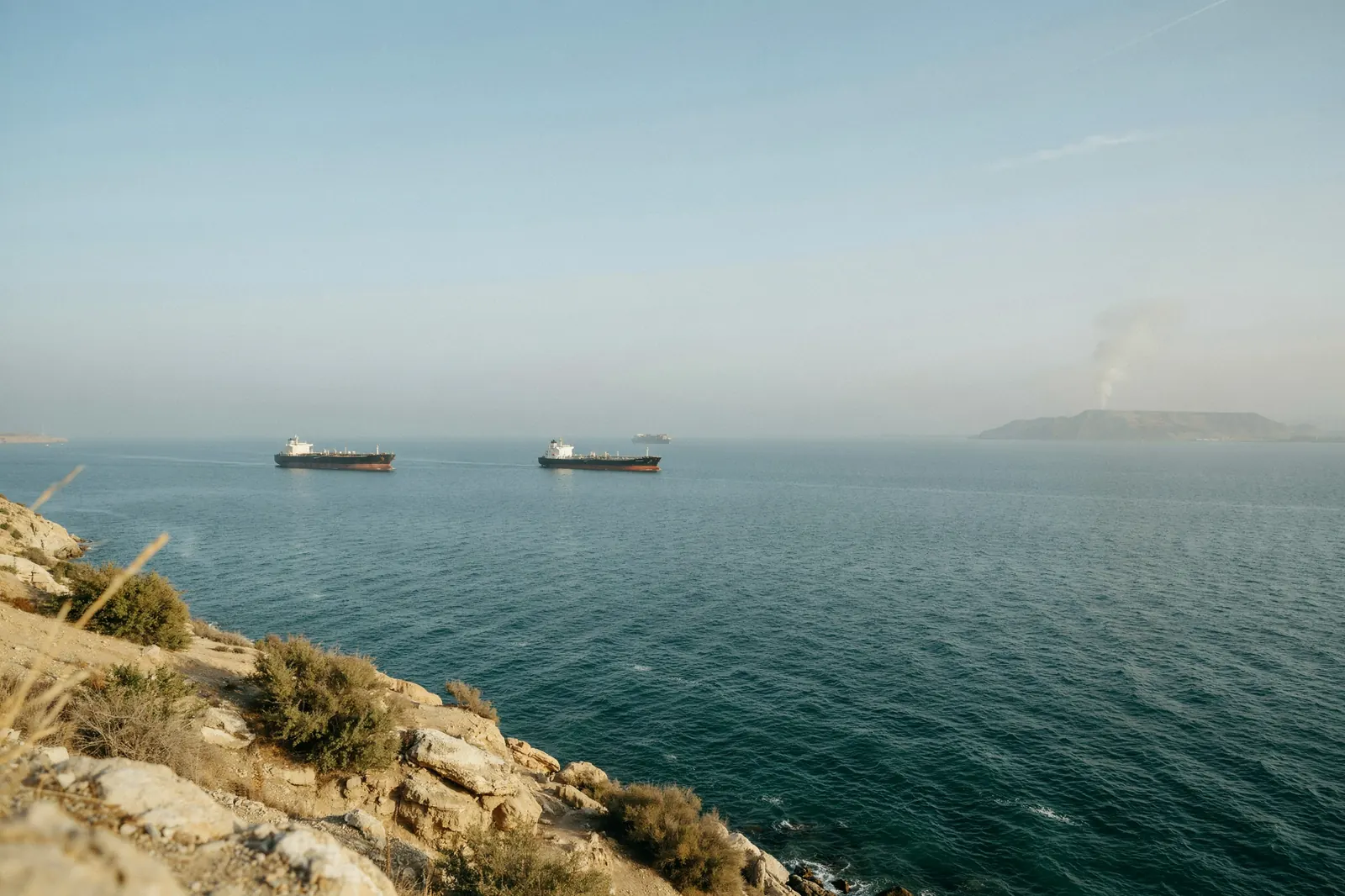
On Sunday, August 30, 2026, the relative silence of the Middle East cracked like an overly dry shell. U.S. Centcom, through the voice of its spokesman Tim Hawkins, announces it has destroyed two Iranian launchers on the island of Larak, right in the bottleneck of the Strait of Hormuz. Official reason: Revolutionary Guards spotted preparing rockets loaded with naval mines. After having proclaimed the demining of international waterways the previous week, Washington no longer lets any attempt to re-mine the passage go by. Two dead and two wounded on the Iranian side, according to the Tasnim agency. The Guards speak of “aggression” and a “fatal strategic error.” One finds the usual ballet: a “limited and precise” strike on one side, “legitimate defense” on the other.
In the wake of this, Tehran claims ballistic missile and drone strikes on two American air bases in Jordan: King Hussein and Al-Azraq. “Considerable” damage to technical infrastructure and fighter positions, the Guards proclaim. The Jordanian army confirms it intercepted eight missiles in its skies, without naming the sender. American sources: almost everything intercepted, negligible impact. Iran adds a salvo of drones on the Al Minhad base in the Emirates and the destruction of an MQ-9 Reaper drone over Hormuz. Local bonus: a “rogue supertanker” allegedly hit two mines and caught fire while attempting an “illegal” route, according to the Guards’ navy. Oil, for its part, did not wait for confirmation: Brent cheerfully climbs back above 90 dollars.
Why is this circulating now? Because after six months of open conflict since the Israeli-American strikes of late February 2026, the Trump administration had shifted toward “economic warfare.” Sanctions, financial isolation, blockade of Iranian ports. A month without a direct strike on Iranian territory. There was talk of a relative lull, of mines removed, of negotiations that were barely advancing. And now two launchers are enough to reopen the dance. The Strait of Hormuz remains the nerve of the war: a fifth of the world’s hydrocarbons passed through it before. Tehran locks it down in its own way, Washington watches it like milk on the boil. When mining threatens to return, so do the bombs.
The facts hold up. A clear Centcom communiqué, picked up by Le Monde, Le Figaro, Les Échos, Reuters, BBC, France 24. Lives from Le Monde and feeds from 20 Minutes, Sud Ouest, BFM stick to the statements. The origin of the Google News buzz is therefore not an RSS feed invention: it is the exact summary of the headlines of August 31. What floats, on the other hand, are the tolls. Dead and wounded on the Iranian side: Tasnim version, no independent confirmation. “Heavy damage” in Jordan: Guards version. The Jordanians speak of successful interceptions. An Iranian live even mentioned Qatar and Kuwait before recentering on Jordan and the Emirates. The blind spots remain classic: satellite images still rare in the early morning, laconic American right of reply, no public visual proof of the mine launchers at the moment of the strike.
One will note the posture of both camps. Washington justifies prevention: we cleaned up, we will not let it get dirty again. Tehran howls about violated sovereignty and pulls out the right to retaliate. Trump, for his part, has recently threatened to reduce other islands “to rubble” via generated videos, while pushing sanctions through his Treasury secretary. The economy on one side, gunpowder on the other: the double game continues. Meanwhile, Iranian President Pezeshkian heads to the Shanghai Cooperation Organization summit with Putin and Xi. As if the diplomatic calendar had seen nothing coming.
Provisional conclusion: the exchange of strikes of August 30-31, 2026 is real, documented by official sources and credible press. It is not the end of the world, nor the full resumption of the hell of February-July. It is the end of a month of relative military restraint, calibrated on the protection of Hormuz. The figures for victims and damage remain to be cross-checked. Oil prices, for their part, did not wait for the fact-check. In this war that has dragged on for six months, one mine launcher is enough to recall that the lull is never more than a paper armistice. And that in the Middle East, the noise always resumes faster than it dies out.

Profile
Georges Darmond
Journaliste politique mediasJe m'appelle Georges. Je suis née dans la région parisienne où j'exerce mon métier de journalisme depuis 1 an dans le domaine du de la politique, médias, social. Aujourd'hui, je m'intéresse tout particulièrement à aux promesses non tenues, aux fausses informations, aux affirmations douteuses qui influencent notre quotidien, nos espoirs et notre espérance dans le futur.
LinkedIn ↗